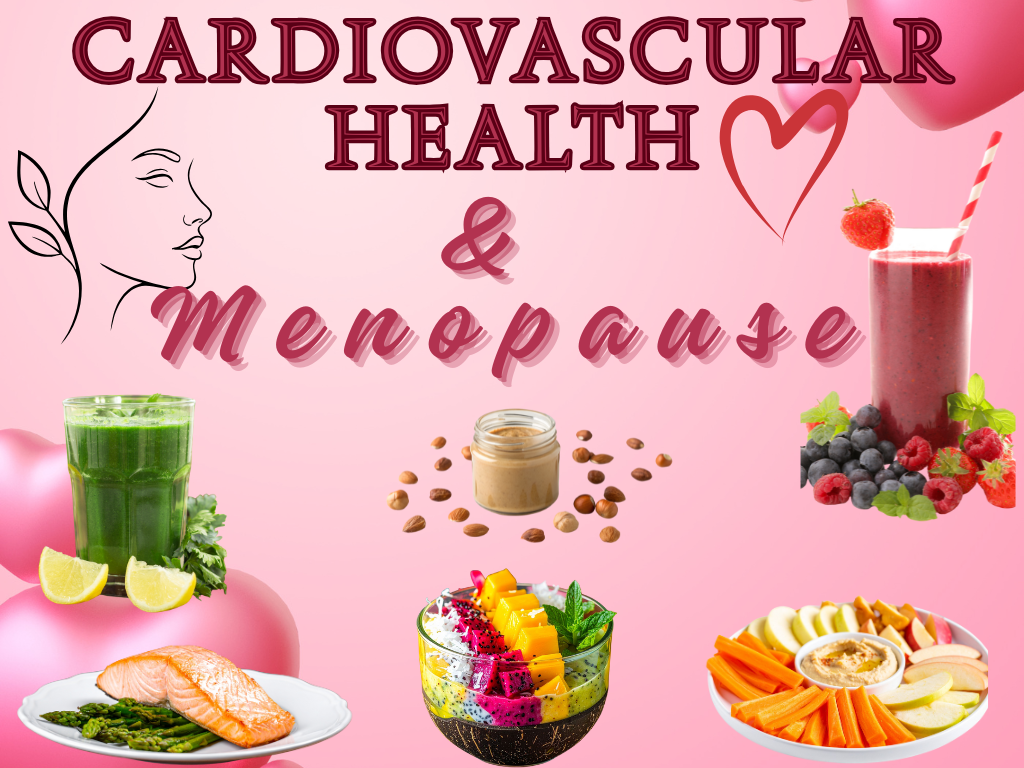
As women enter the perimenopause and menopause stages, natural decline in estrogen can bring more than just hot flashes and sleep changes. It can affect heart health as well. Understanding how menopause influences cardiovascular risk is essential for women over 40 who want to stay healthy and proactive.
Why Heart Health Changes During Menopause
You probably read or heard this a thousand times, but one of the main culprit is hormones. Particularly estrogen which plays a protective role in the cardiovascular system. Estrogen helps your heart to regulate cholesterol by reducing bad cholesterol (LDL) and helps to increase your good cholesterol level (HDL). https://health.clevelandclinic.org/estrogen-and-heart-health . When levels drop during perimenopause and menopause, women may notice you may notice some changes in:
- cholesterol levels, including higher LDL (“bad” cholesterol) and lower HDL (“good” cholesterol)
- Stiffening of blood vessels
- Increased blood pressure
- Higher risk of heart disease and stroke
These shifts can gradually increase the likelihood of cardiovascular conditions, making heart-healthy habits more important than ever.
Signs to Watch For
Heart disease in women can look different than in men. Signs to watch for are rapid heart beats, palpations, shortness of breath, or tightness in the chest. Most women can get these symptoms right before a hot flash occur, and it can feel scary. This is your body telling you that a change in diet and physical wellness is required. For more on menopause and heart health click the link: https://www.heart.org/en/news/2023/02/20/the-connection-between-menopause-and-cardiovascular-disease-risks
Some of the common signs include:
- Chest discomfort or pressure
- Shortness of breath
- Fatigue or unusual tiredness
- Pain in the neck, jaw, or back
If you experience any of these, talk to your healthcare provider promptly.
More information can be found here: Mayo Clinic: Heart Disease Symptoms in Women.
Holistic Strategies to Support Cardiovascular Health
Holistic strategies is one of my favorite topics to discuss, especially when it comes to menopause. Its like going back to nature to help you nurture yourself mind, body and spirit. It is important to try a proactive, holistic approach, which can reduce risk and improve heart health naturally. Key strategies include:
1. Nutrition
- Emphasize heart-healthy foods: fruits, vegetables, whole grains, lean proteins, and healthy fats
- Reduce saturated fats, processed foods, and added sugars
- Include foods rich in omega-3 fatty acids, like salmon, chia seeds, avocados, and walnuts. For more insights you might like “Navigating Menopause”: http://Navigating Menopause: A Personal Journey
2. Regular Physical Activity
- Aim for at least 150 minutes of moderate exercise per week
- Include strength training to maintain metabolism and muscle mass
- Add aerobic activities like walking, swimming, or cycling, dancing, or gardening to support heart and vascular health
3. Mind–Body Practices
- Stress can negatively impact heart health, so incorporate yoga, meditation, or deep-breathing exercises
- Regular mindfulness and self-care remedies can help lower blood pressure and reduce anxiety For more reading you can click the link: http://Strategies to Alleviate Menopause Symptoms
4. Routine Health Checks
- Monitor blood pressure, cholesterol, and blood sugar levels
- Discuss cardiovascular risk factors with your doctor regularly
- Over 40, it is a good idea to get a routine EKG done at your next doctor visit.
- For more insight, here is a link from the Mayo Clinic on cardiovascular health during menopause: https://newsnetwork.mayoclinic.org/discussion/mayo-clinic-minute-menopause-and-the-heart-connection/
Why a Holistic Menopause Approach Matters
During the perimenopause, and menopause phase, it is key time to prioritize heart and overall health. A combination of diet, exercise, stress management, and regular medical monitoring can make the world of difference in your health, and improve your physical and emotional health. A holistic approach with your favorite teas, supplements, vegetables, and nuts reduces risk while supporting long-term wellness. Yoga, mediation and genuine mindfulness empowers women to take control of their health.
Printable List: Click On the Link For Free Download: https://www.canva.com/design/DAG_FL7cKBo/NfGKKA8NkXXcljSCMaWKdw/view?utm_content=DAG_FL7cKBo&utm_campaign=designshare&utm_medium=link2&utm_source=uniquelinks&utlId=hf5c1b2706f

Takeaway
So, bottom line, the decrease in estrogen during menopause is most likely the culprit, and can affect cholesterol, blood vessels, and overall heart health issues. However, understanding these changes and adopting a holistic, heart-conscious lifestyle, most women over 40 can reduce cardiovascular risks, improve quality of life, and thrive during midlife and beyond. Listen to your body’s symptoms and move in rhythm with your body’s needs. You body is already telling you what it needs. This is part of a holistic connection to mind body and spirit. Nature’s medicine has profound healing prosperities, but use in moderation. If you are already taking a prescription treatment, it is important for you to consult with your physician.
Related Articles:
https://womenshealth-menopause.org/2025/12/17/essential-supplements-for-perimenopause-and-menopause/
Disclaimer:
The information provided in this article is for educational and informational purposes only and is not intended as medical advice, diagnosis, or treatment. Always consult with a qualified healthcare professional, physician, or registered dietitian before starting any new supplement, vitamin regimen, or making changes to your health routine—especially if you are pregnant, nursing, have a medical condition, or are taking medications.
Individual health needs and responses to supplements may vary. The use of any information provided on this website is solely at your own risk. This content is not intended to replace professional medical guidance or care.
Leave a Reply