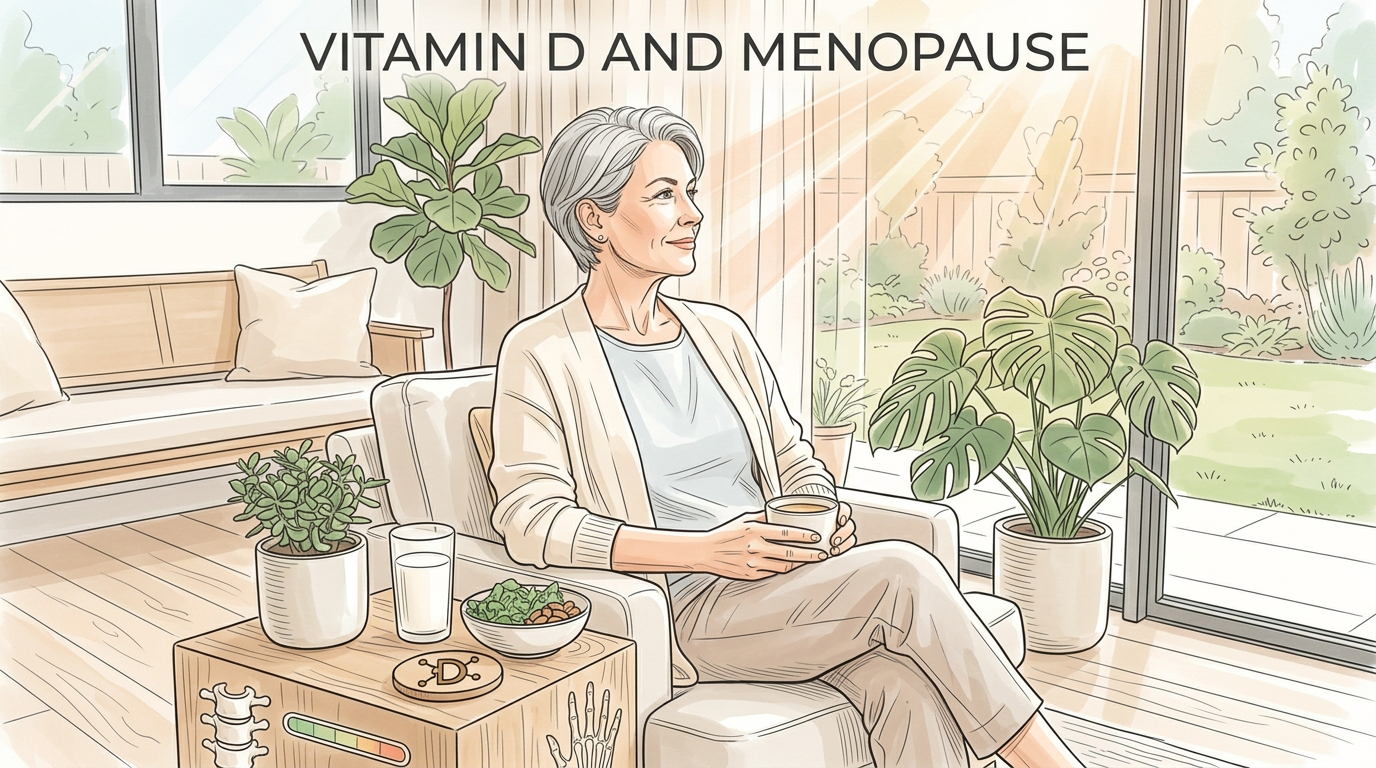
Vitamin D and Your Health During Menopause
Menopause is a natural stage of life. However, the hormonal changes that come with it can bring unwelcome physical and emotional changes. Declining estrogen can significantly impact bone health, muscle strength, immune function, and overall well-being. One nutrient that plays a critical role during this transition is Vitamin D.
What You Need To Know About Vitamin D and Menopause
Vitamin D is often called the “sunshine vitamin,” and it plays a key role in calcium absorption, bone strength, muscle function, and overall health. These effects become especially important during and after menopause, when declining estrogen increases the risk of bone loss and fractures. For more information, click the link below: https://pmc.ncbi.nlm.nih.gov/articles/PMC8764341/
For menopausal women, Vitamin D is essential because it supports:
1. Bone Density and Prevents Osteoporosis
After menopause, women can lose up to 20% of their bone mass due to reduced estrogen levels. Vitamin D helps the body absorb calcium more efficiently. During menopause, it is vital to maintain strong bones and reduce the risk of fractures and Osteoporosis.
2. Improves Muscle Strength and Balance
According to the National Institutes of Health, adults ages 19-70 should consume 600 IU of vitamin D daily. Vitamin D plays a key role in muscle function. Adequate levels may help reduce muscle weakness and improve balance. Both are important for preventing falls as women age. For additional information, click the link: https://ods.od.nih.gov/factsheets/VITAMIND/HealthProfessional/
3. Supports Immune Health
Menopause can affect immune response. Vitamin D helps regulate the immune system and may reduce inflammation, supporting overall resilience and long-term health.
4. Cognitive Health Support
Studies have linked low Vitamin D levels to cognitive decline. In menopause, cognitive decline can include mood changes, fatigue, and brain fog. These are symptoms many women experience during menopause. For more details, click on the link: https://pmc.ncbi.nlm.nih.gov/articles/PMC4053858/
Disclaimer
The information provided in this article is for educational and informational purposes only and is not intended as medical advice, diagnosis, or treatment. Always consult with a qualified healthcare professional, physician, or registered dietitian before starting any new supplement, vitamin regimen, or making changes to your health routine. Please consult with a medical professional if you are pregnant, nursing, have a medical condition, or are taking medications.
Individual health needs and responses to supplements may vary. The use of any information provided on this website is solely at your own risk. This content is not intended to replace professional medical guidance or care.
Leave a Reply