The Changes No One Warned You About
A guide to menopause stages and symptoms
One morning, you wake up drenched in sweat. Your mood swings feel unpredictable. Sleep is elusive, and your body seems to be betraying you in ways you don’t understand. This leaves you with many questions, especially at the early stages of perimenopause and menopause. If this sounds familiar, you’re not alone. Millions of women experience menopause each year, and yet few are truly prepared for the hormonal, physical, and emotional changes that come with it. Menopause is a natural and biological transition, not a medical disease. However, the changes it brings may affect your sleep, energy, mood, and long-term health.
What Is Menopause?
Menopause marks the end of a woman’s reproductive years. Although each woman may experience perimenopause and menopause differently, there are a few common symptoms like hot flashes, night sweats and lack of sleep. It is diagnosed after a woman has gone 12 consecutive months without a menstrual period. Don’t panic; it is a natural process that appears with biological and hormonal changes. Women experience menopause between the ages of 45 and 55, with the average age around 51. However, menopause can occur earlier or later depending on genetics, lifestyle, and health conditions.
Changes in Your Body
During menopause, the ovaries produce less estrogen and progesterone. These hormones regulate menstrual cycles and fertility. However, hormonal shifts can affect multiple systems in the body, including:
- Reproductive health
- Bone strength
- Cardiovascular function
- Emotional and cognitive well-being
Understanding menopause allows you to anticipate changes and take steps to maintain your health and quality of life. If you would like more information on what to expect from your menopause journey, please click on the link below: https://pmc.ncbi.nlm.nih.gov/articles/PMC12431702/
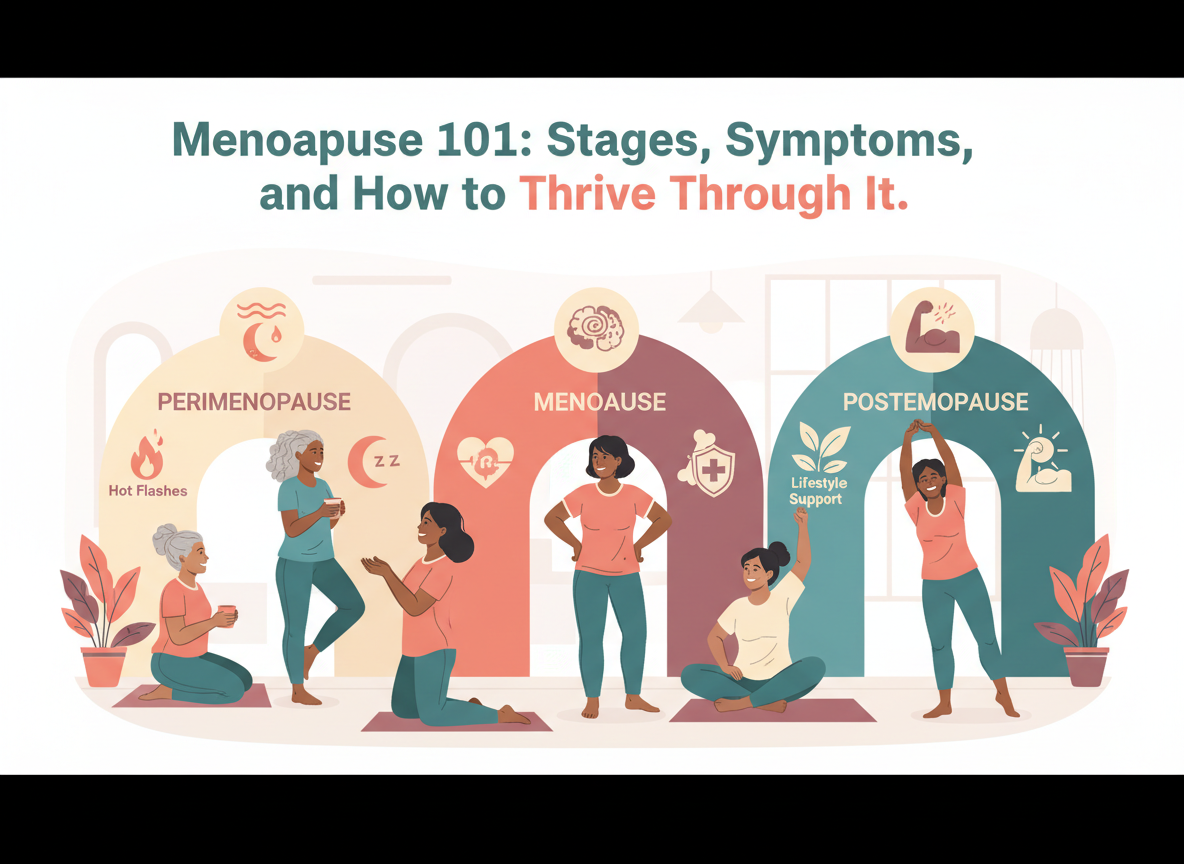
Stages of Menopause
1. Perimenopause
Perimenopause is the first transition that begins in your late 30s or 40s. Hormone levels fluctuate unpredictably, which can cause irregular periods and other noticeable changes.
Common perimenopause symptoms include:
- Irregular or skipped periods
- Hot flashes and night sweats
- Mood swings and irritability
- Sleep disturbances
- Changes in libido
- Brain fog and difficulty concentrating
Duration: Perimenopause can last several months to several years. Early recognition allows for better symptom management and planning for the next stages. For more information on common perimenopause symptoms, see the link below: https://pmc.ncbi.nlm.nih.gov/articles/PMC12431702/
2. Menopause
Menopause itself is defined as the point at which a woman has gone 12 consecutive months without a period.
During menopause:
- Ovulation ceases
- Estrogen levels drop significantly
- Pregnancy may no longer be possible naturally
- Hot flashes
- Night sweats
- Sleep disturbances
- Fatigue
- Weight gain, particularly around the abdomen
- Joint stiffness or pain
- Vaginal dryness
- Hair thinning or hair loss
- Dry skin
Emotional & Cognitive Symptoms
- Mood swings and irritability
- Anxiety or depression
- Brain fog and difficulty concentrating
- Memory lapses
Many women notice that symptoms like hot flashes, fatigue, and mood swings peak around this stage. Prioritize self-care and self-love during this time. For more information on the menopause stage, see the link below: https://discoverwhr.nih.gov/research/menopause/
3. Postmenopause
Postmenopause begins after the menopause stage and continues for the rest of a woman’s life. Hormone levels stabilize at lower levels. Some symptoms, such as hot flashes, may gradually decrease, but others, like vaginal dryness, may persist. Each woman may experience symptoms differently during the postmenopause years. This stage often brings a sense of wisdom and lived experience. For more information on postmenopause, see the link below: https://pmc.ncbi.nlm.nih.gov/articles/PMC11663262/
Important Health Risks During Postmenopause Include:
Consider talking to your doctor about concerns and changes in your body at this stage.
- Osteoporosis: Reduced estrogen accelerates bone loss.
- Heart disease: Hormonal changes affect cholesterol and blood vessel health.
- Urinary issues: Vaginal dryness and changes in the urinary tract may occur.
Proactive health measures, including diet, exercise, and routine screenings are essential during this stage. Declining estrogen levels can affect long-term health.
Lifestyle Management
Lifestyle changes play a key role in managing symptoms naturally:
- Diet: Balanced meals rich in calcium, vitamin D, lean protein, and fiber
- Exercise: Cardio, strength, and flexibility routines
- Stress reduction: Meditation, yoga, deep breathing, journaling
- Sleep hygiene: Temperature-controlled bedroom, consistent sleep schedule
Thrive During Menopause
Nutrition Tips:
- Increase intake of calcium-rich foods (milk, yogurt, leafy greens)
- Include vitamin D sources: fatty fish, fortified foods
- Eat plenty of fruits, vegetables, and whole grains
- Limit processed foods and sugar
- Phytoestrogens in soy and flax may help balance hormones
Exercise Recommendations
- Strength training: 2–3 times per week for bone health
- Cardio: 150 minutes per week (walking, cycling, swimming)
- Flexibility & balance: Yoga or Pilates
Stress Management
- Meditation and deep breathing exercises
- Journaling for emotional clarity
- Spending time outdoors or in nature
- Social support from friends, family, or menopause support groups
Sleep Optimization
- Keep the bedroom cool to reduce night sweats
- Limit caffeine and alcohol in the evening
- Establish consistent bedtime routines
Frequently Asked Questions (FAQ)
1. How long do menopause symptoms last?
Symptoms can last 4–10 years, but severity and duration can vary.
2. Can menopause cause weight gain?
Yes. Slower metabolism and hormonal changes often lead to weight gain, especially around the abdomen. Lifestyle changes can help.
3. Can you get pregnant during perimenopause?
Pregnancy is still possible until menopause is complete. Use contraception if pregnancy is not desired.
4. Does menopause affect libido?
Hormonal changes may reduce libido, but communication, intimacy, and medical support can help.
When to See a Doctor
Seek medical advice if you experience:
- Heavy or unusual bleeding
- Severe mood swings or depression
- Persistent insomnia or night sweats
- Symptoms disrupting daily life
Tests may include blood work, bone density scans, and hormone level assessments.
Medical disclaimer:
The information provided in this article is for educational and informational purposes only and is not intended as medical advice, diagnosis, or treatment. Always consult with a qualified healthcare professional, physician, or registered dietitian before starting any new supplement, vitamin regimen, or making changes to your health routine. Especially if you are pregnant, nursing, have a medical condition, or are taking medications.
Internal Links: https://womenshealth-menopause.org/2025/12/06/early-signs-of-menopause-most-women-overlook/
Leave a Reply